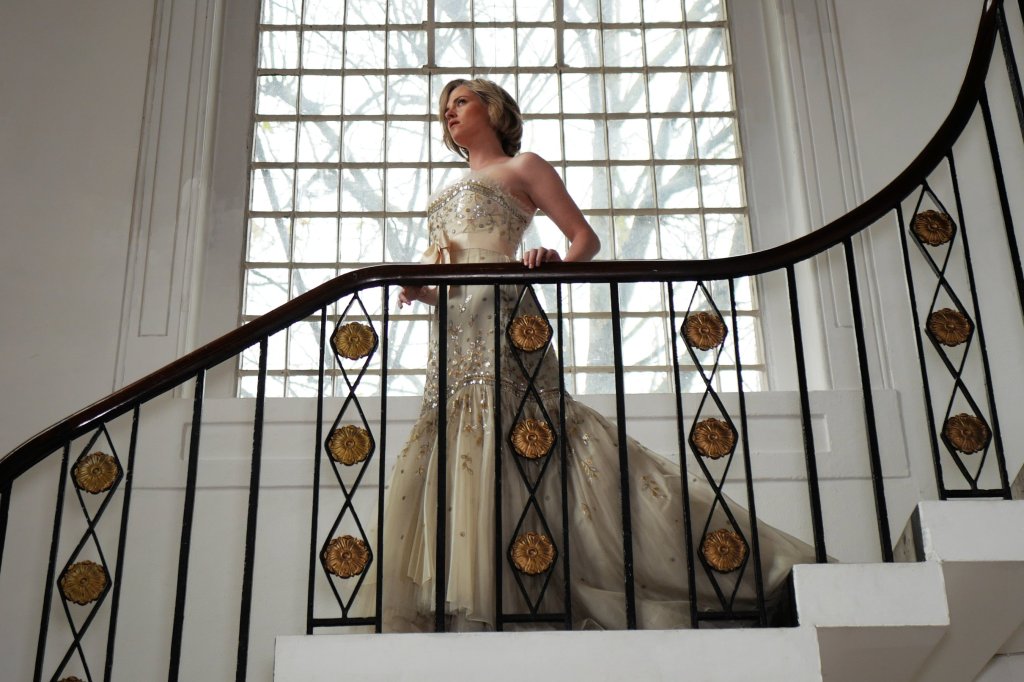
While cinema almost always takes some creative liberties, it’s fairly straightforward to differentiate between a film that pursues to chiefly reinterpret occurrences as they transpired versus one that surrenders all false illusions to existence.
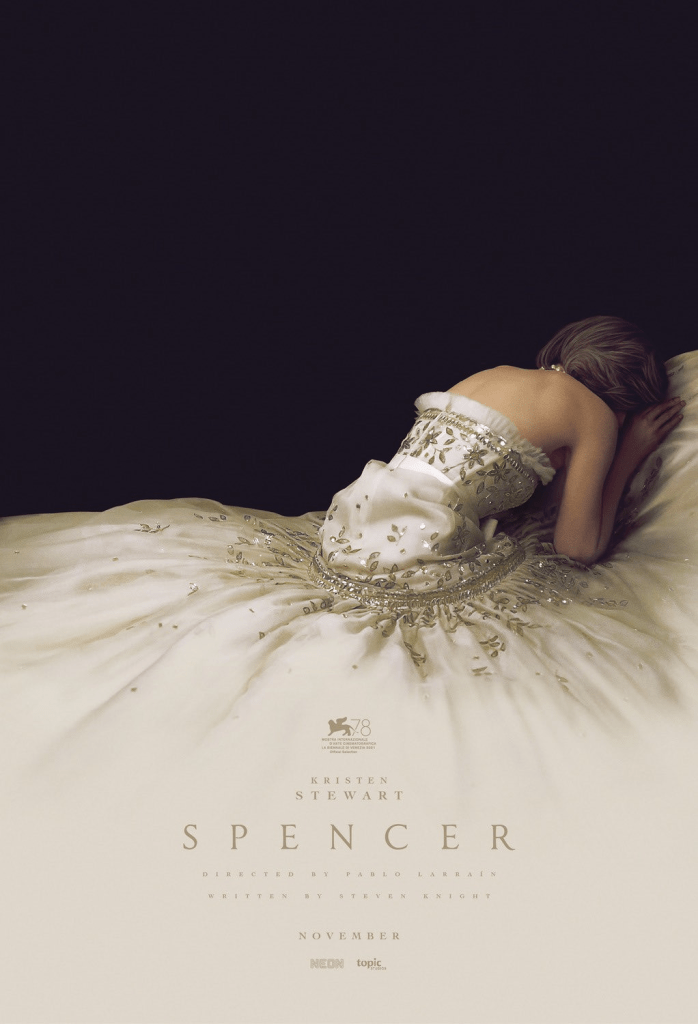
“The Crown” is explicitly a fictionalized account of British history, but it seeks a doctrine that “Spencer” refutes even before the first shot with the epigraph, “A fable from a true tragedy.” Pablo Larraín’s follow-up to “Jackie,” like that film, infuses new life into an old matter. The film morphs Diana’s popular perception into a nervy, psychological character drama with facets of deranged thrillers and body horror.
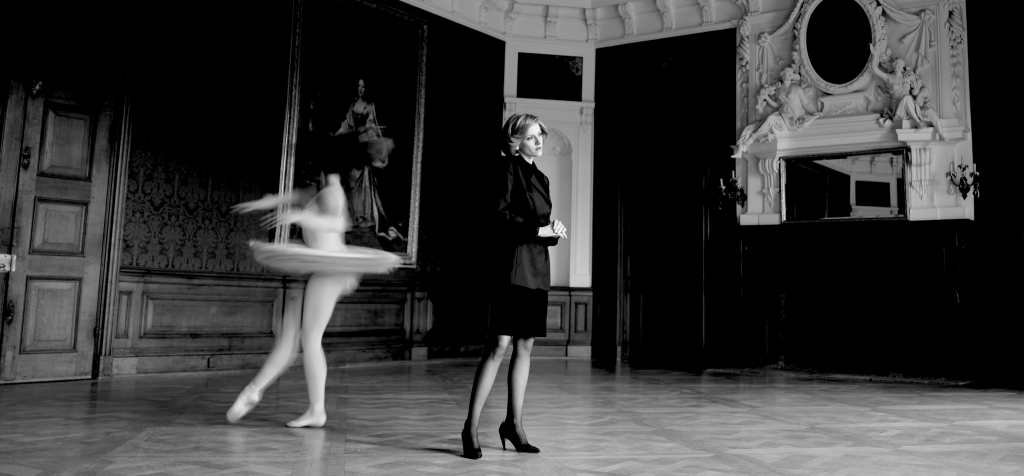
Spencer, which guides the psychotic break of Diana, Princess of Wales, all through Christmas celebrations in 1991, is staunchly anti-biopic. Larraín and writer Steven Knight use the details regarding Diana’s tragic life as a framing device. It’s the cinematic equivalent of a memoir, with flights of lusciously envisioned illusion, all-consuming symbolism, and elegant declarations of personhood intermixed. As a consequence, the tale is crafty, flexible, and unconventional, and it persists to capture even while it appears to overcomplicate its argument. Knight’s screenplay makes no attempt to tie together any points, assuming instead that audiences are well knowledgeable of the beginning and conclusion of Diana’s saga and immediately goes to brilliantly demonstrate only the middle. Claire Mathon’s roving camera studies Stewart’s Diana anxiously, closing in on her and characterizing her to report her widening emptiness and loneliness. Jacqueline Durran’s costumes and Jonny Greenwood’s score merit a great deal of praise for contributing to the film’s noirish mellow vibe.
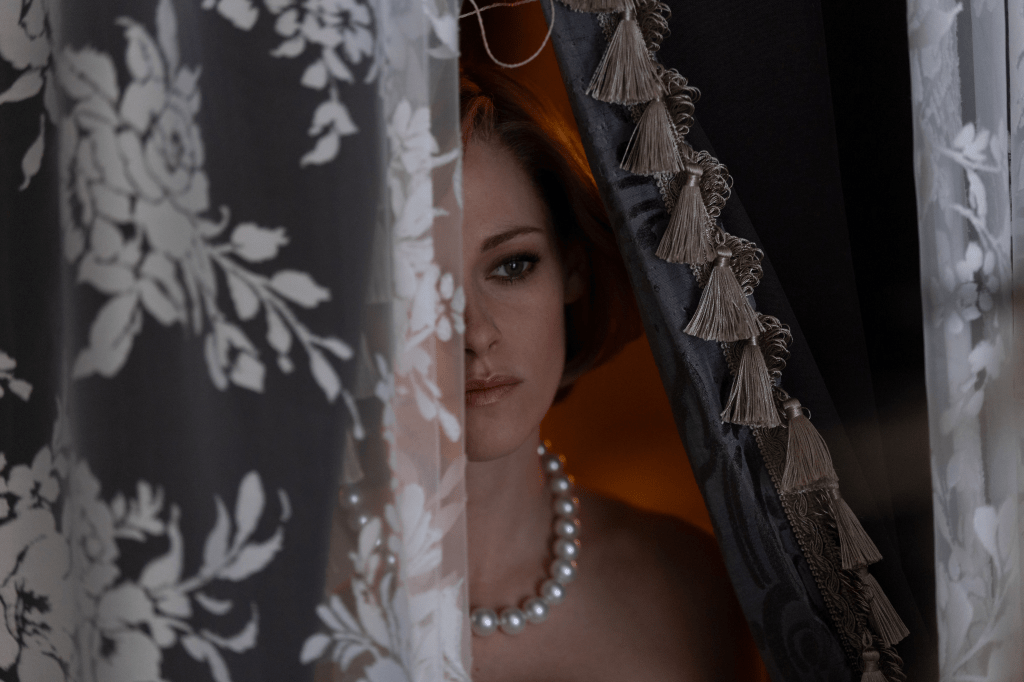
Critics have praised Larraín’s “Spencer.” Even those who dislike “Spencer” appear to enjoy Kristen Stewart’s performance, as evidenced by her lead in the 2021 awards season. Even so, in “Spencer,” Stewart used the thought-to-be-outdated elegance to personify Princess Diana. When you watch a movie from the 1930s, you get the illusion that the actors on display are simply that; they don’t feel like actual people you’d pass across on the sidewalk and engage in a conversation with. And that is how Stewart’s Diana feels, as well. And it runs perfectly with the film’s subtexts. Often when people seem to think of the British Monarchy, they do not really think of legitimate, ordinary folks with who they might strike up a conversation. When you learn about their routines and customs (and observe them in “Spencer”), they appear farcical, outmoded, and bizarre. As a direct consequence, depicting them with life’s harsh realities in a feasible and centered fashion would be tricky. Except if the target is to characterize the Royals as more sentient than they are typically viewed to be, as it is in Netflix’s “The Crown.” Emma Corrin’s Diana is much more organic and demonstrable than Stewart’s, but not necessarily better.
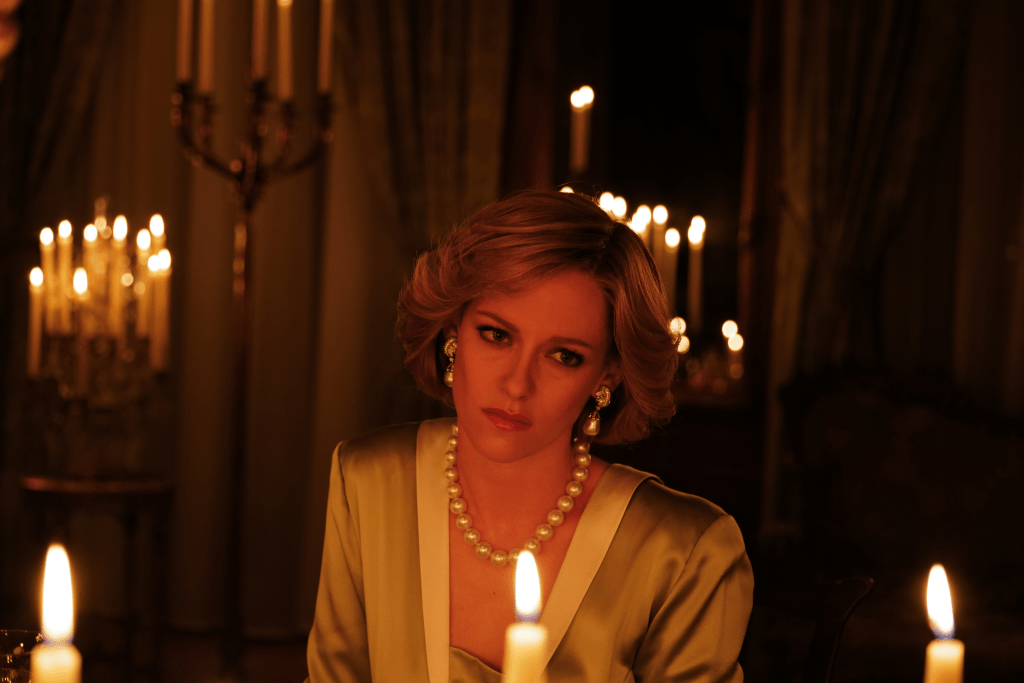
Since the film’s premiere at the Venice Film Festival, Stewart has received widespread praise for her performance. Stewart has a particular fondness for pursuing her art from within. That is, she has always been enthralled by the essence of a persona. This is plainly obvious throughout the greater part of her work, such as “Still Alice,” as well as her alliances with Olivier Assayas in “Personal Shopper” and “Clouds of Slis Maria,” for which she earned a César Award. Stewart, as an actor, fully embodies a character’s inbuilt and sentimental journey. It is not just about what her characters say, but also about how they respond to and encounter the developments in the film. This is completely accurate for “Spencer,” wherein we follow the late Princess of Wales for three days at the Queen’s Sandringham Estate. Diana grapples all through the film with the Royal patriarchal oppression, an institution that has constrained her every step. The Diana persona depends heavily on an internal performance in this bit, which renders Stewart an ideal choice for such a film. And she follows through.
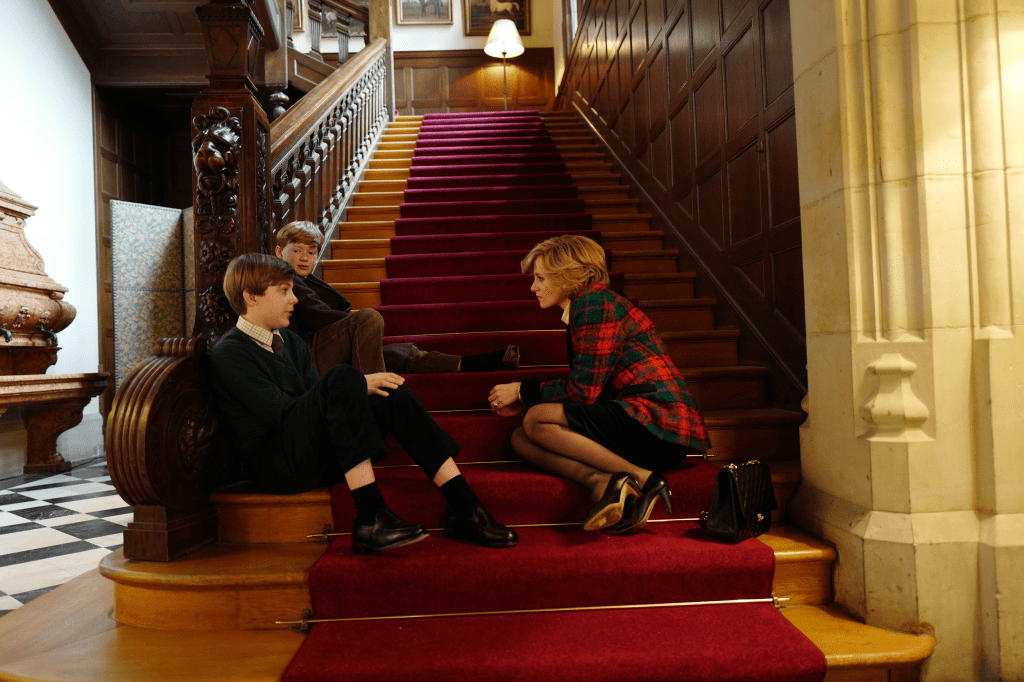
Stewart’s output in “Spencer” exemplifies profound emotional competence as well as an awareness of acting in the film medium. Yes, acting is swayed by what the performer speaks in a scene, but it is also affected by how the performer responds. It pertains to how an actor responds to a line or plays the vibrato of a scene. Stewart’s acting skills, notably in “Spencer,” concentrate on seizing the character’s exact essence. Stewart controls the viewer’s attention regardless of whether she’s speaking or otherwise, and her eyes and physical appearance show us clearly what Diana is going through. She doesn’t need dialogue to communicate her message. She only needs a camera to capture every tick and reaction she makes. This, in my personal belief, is the holy grail of film acting.

Spencer” is not based on real-life events, and among the most substantial criticisms levelled at it is that it may take a little too much of the creative license. However, “Spencer” recounts the tragic tale of Diana Spencer, who was desperately unhappy in her existence as a member of the Royal Family and remains one of pop contemporary culture’s most sympathetic figures. So, although it is a ‘fable,’ the film encompasses elements of reality.

 THE ANATOMY OF MOVIES